Systems Reveal Themselves by Breaking
By Jack Butcher
Every system looks rational from the inside. The rules make sense. The logic holds. You follow the steps and the output appears. You assume you understand how it works.
You don't. You understand how it behaves when everything goes according to plan.
That's a different thing entirely.
A system's true structure only becomes visible when its logic breaks down. Not when it strains — when it snaps. The error message tells you more about the architecture than the manual ever will. The exception reveals the rule. The failure reveals the frame.
Think about the last time a process you relied on collapsed. A supply chain. A codebase. A relationship. A business model. When it was working, you saw the outputs. When it failed, you saw the machinery. You saw assumptions that had been treated as facts. You saw dependencies that had never been named. You saw the gap between the map and the territory.

The map is what you built. The territory is what actually exists. Every system is a map. And every map leaves things out — by necessity, by oversight, by the simple limits of whoever drew it. The map works fine until you reach the edge. Then you're standing in terrain the map doesn't account for, and you finally see what the map was never telling you.
This is why failure is the most efficient teacher available. Not because suffering builds character. Because breakdown exposes structure. You can read documentation for a year and still not know what a system actually does. Watch it fail once and you know more than the documentation ever contained.
Most people treat failure as a verdict. A signal that something is wrong with the attempt, the person, the idea. The smarter read: failure is a diagnostic. It tells you exactly where the model was wrong. That precision is rare. That precision is valuable.
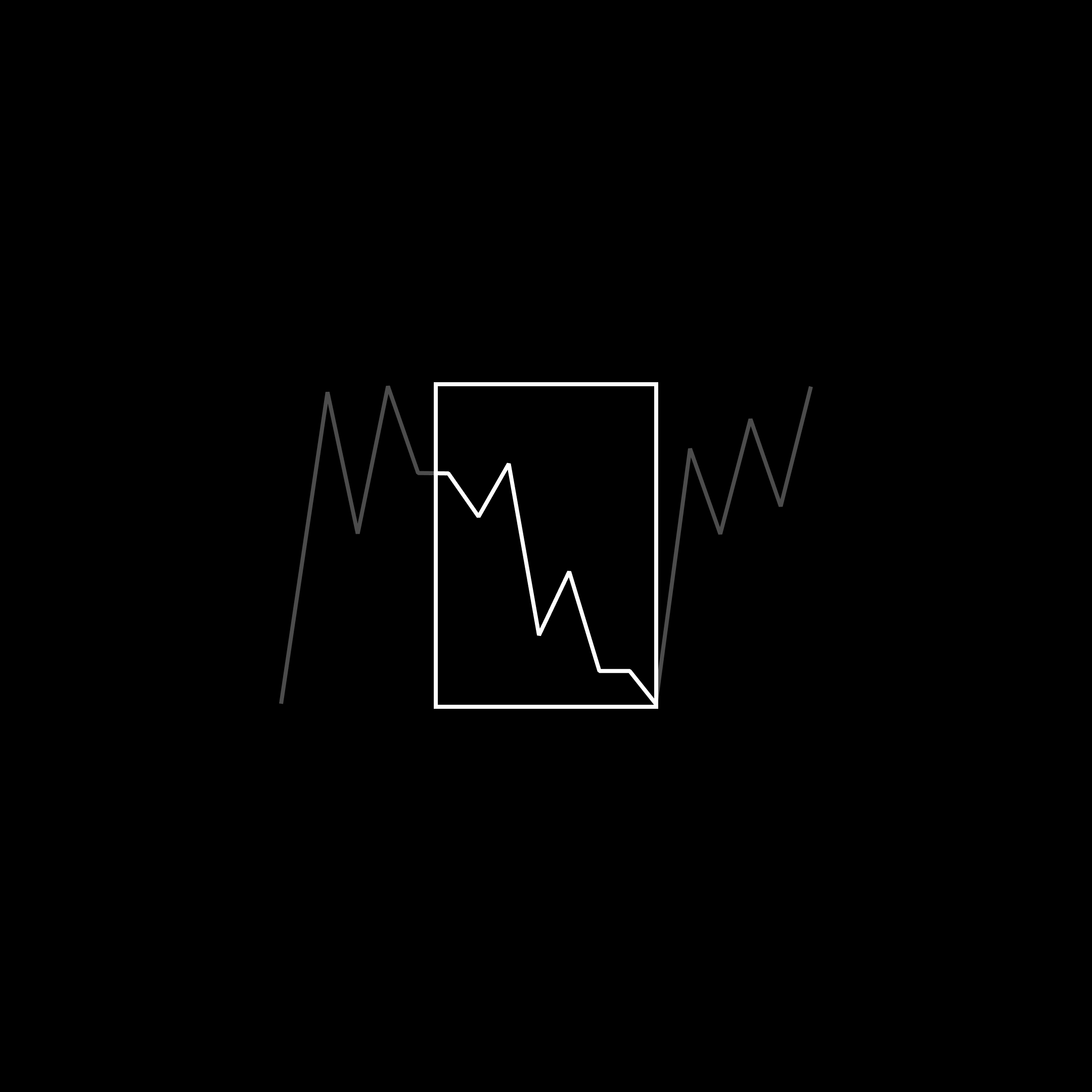
The failure is the frame, not the picture. What broke is not the story. What the breaking reveals — that's the story.
The same logic applies to the systems you build. If your business only makes sense when everything works — when customers convert, when suppliers deliver, when teammates execute — you don't have a business model. You have a best-case scenario dressed up as a plan. The model only earns the name when you've stress-tested it. When you've watched it fail and rebuilt from what you learned.
This is also why over-planning is a trap. Planning works with the map. Building works with the territory. Every hour spent planning in advance is an hour not spent discovering what the plan gets wrong. You will not think your way to those discoveries. You have to run the system until it breaks.
The companies that compound over decades are not the ones that avoided failure. They're the ones that failed faster, read the wreckage more carefully, and iterated before competitors were willing to admit there was anything to iterate on.
Speed of failure is speed of learning. And speed of learning compounds the same way money does — except the interest is knowledge, and knowledge doesn't depreciate.
There's a specific skill buried in all of this, and almost no one trains it deliberately: learning to read failure accurately. Most people experience a system breaking and immediately move to fix the symptom. They patch the output without examining the logic. The system breaks again, in the same place or a different one, because the underlying assumption was never questioned.
The better move: treat every failure as a forced audit. What did you assume that turned out to be false? Where did you draw the boundary of the system too tightly? What input did you treat as a constant that was actually a variable?
Answer those questions and you don't just fix the failure. You understand the system for the first time.
You don't build real knowledge by studying how things work. You build it by watching what breaks, and why, and what that tells you about everything you thought you knew.
The crack in the logic is the light getting in.
Make yourself clear.
You know what you're building. Nobody else does yet. The system for making it clear: 184 lessons, the tools, everything new. $99/year.
Stay in the loop.
New ideas, tools, and work. No spam.
Visuals
View All