Network Effects Trump Individual Choice
By Jack Butcher

You think buying an electric car is a spreadsheet decision. Calculate the savings. Compare the range. Weigh the environmental impact. Make the rational choice.
You're wrong.
The biggest predictor of whether you'll buy an EV isn't the math. It's your neighbor's driveway.
New research shows social networks shape adoption patterns more than individual economics. When models ignore network effects, they overestimate 2050 EV adoption by 300%.
Translation: your neighbor's Tesla matters more than Tesla's specs.
This isn't about cars. It's about how innovation spreads.
We pretend adoption follows logic. Build better product. Price it right. Market benefits. Watch it scale.
Reality is messier. Adoption follows relationships.
Your coworker mentions never stopping for gas. Your friend posts about silent acceleration. Your neighbor installs a home charger.
Each interaction shifts your baseline. What seemed foreign becomes familiar. What felt risky feels normal.
The network does the heavy lifting. Not the product.

Geographic clustering proves this. EVs don't spread evenly. They cluster in neighborhoods. Diffuse through social circles. Follow relationship maps more than income maps.
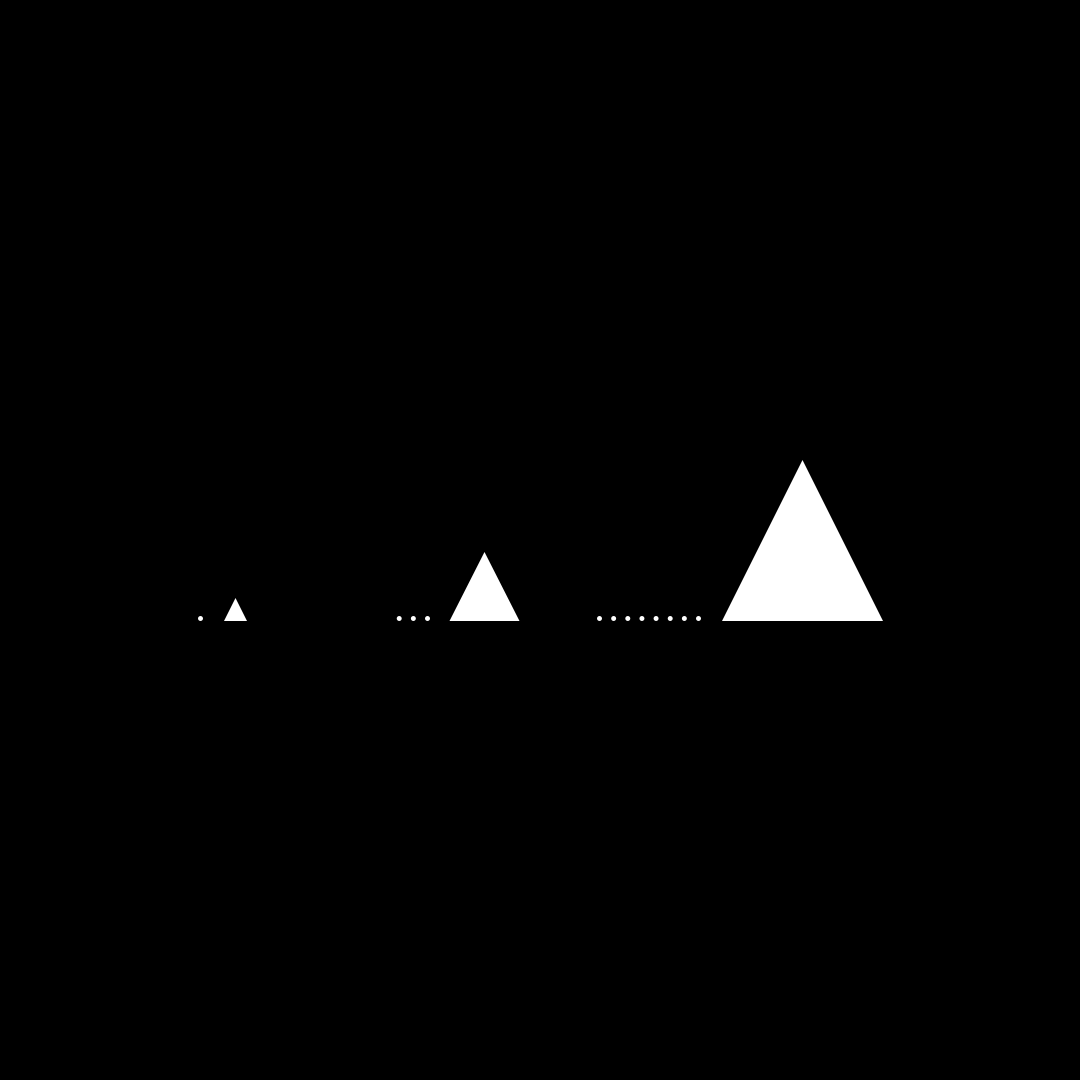
See one EV on your street, you're twice as likely to buy one. See three, you're five times more likely.
The reason is simple. Humans are social proof machines.
We don't evaluate products in isolation. We evaluate them against our environment. Against what people like us are doing.
If no one in your network drives electric, neither will you. No matter how compelling the economics.
This creates a problem for forecasting. And for founders.
Traditional models assume individual decision-making. They calculate total addressable market by counting potential customers. Add up the rational buyers. Project forward.
But rational buyers don't exist in a vacuum. They exist in networks.
Networks accelerate adoption in dense areas. They slow it in sparse ones. They create pockets of rapid growth and zones of resistance.
The implication: geography is product strategy.
Don't spread thin. Concentrate. Build density in one network before jumping to the next.
Make it normal for one group. Let them make it normal for adjacent groups.
Network effects compound. But only with density.
The mistake most studies make is treating people like spreadsheets. Rational actors maximizing utility functions.
People aren't spreadsheets. They're social animals.
They buy what their network validates. They avoid what their network questions.
The best product loses if the network doesn't support it. The mediocre product wins if the network adopts it.
Your neighbor's choice is your context.
Make yourself clear.
You know what you're building. Nobody else does yet. The system for making it clear: 184 lessons, the tools, everything new. $99/year.
Stay in the loop.
New ideas, tools, and work. No spam.
Visuals
View All