The Simplicity Tax
By Jack Butcher
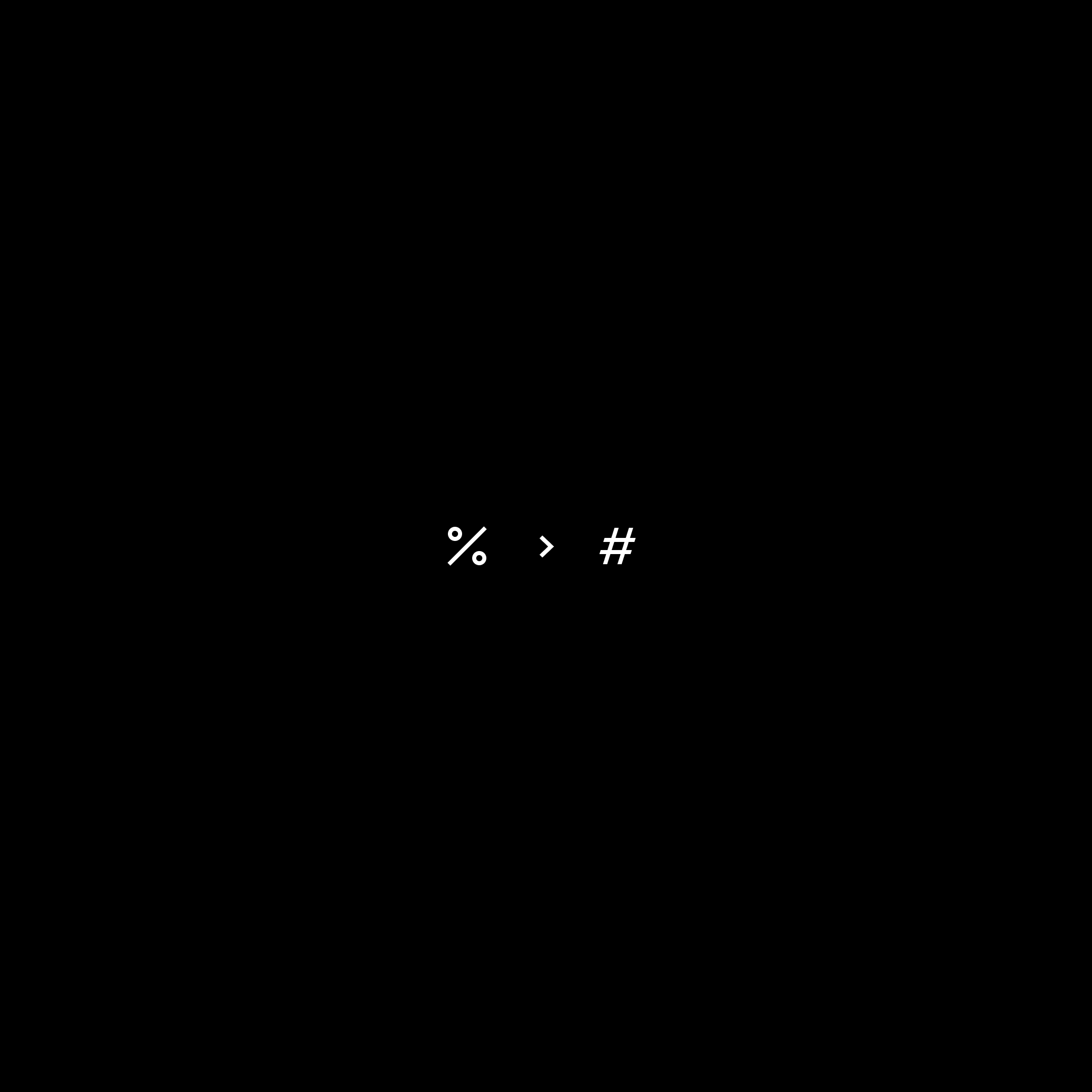
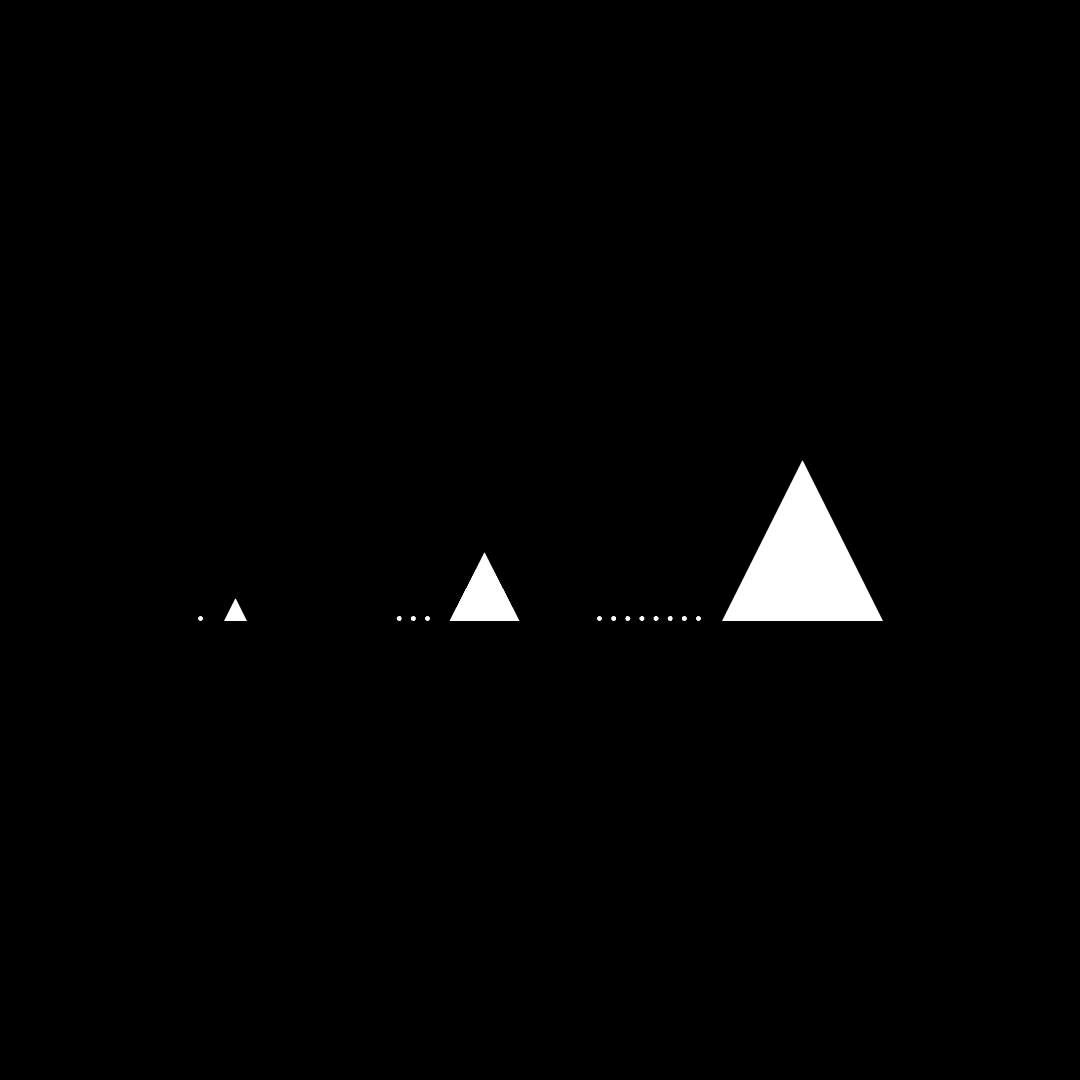
Every cry for simplicity creates complexity somewhere else.
When customers demand one-click checkout, engineers build intricate payment systems. When users want clean interfaces, designers create elaborate style guides. When readers want clarity, writers endure brutal edits.
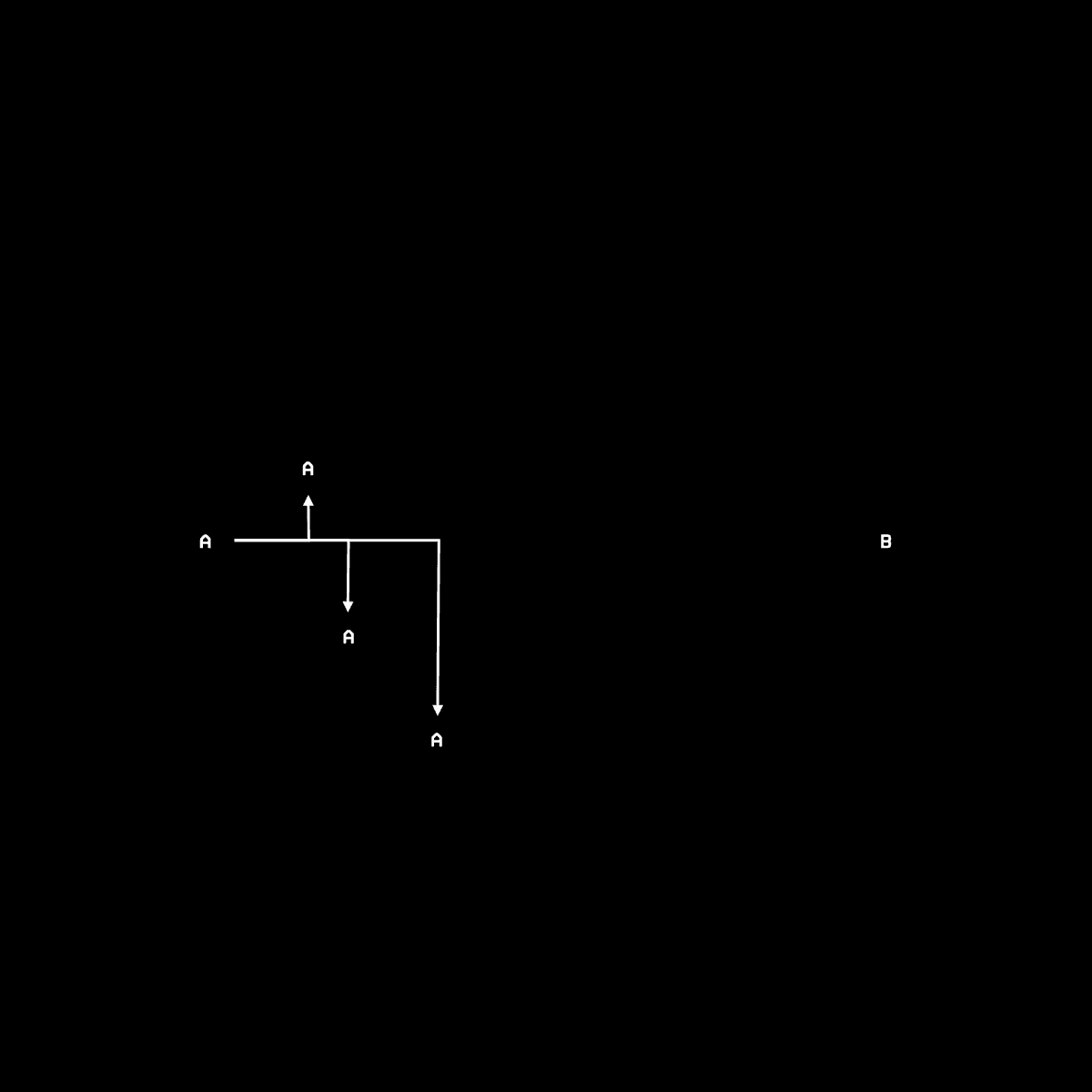
The complexity doesn't vanish. It migrates.
Apple products feel magical because teams of engineers solved thousands of problems you'll never see. The iPhone's smooth gesture navigation required years of work on touch algorithms, processor optimization, and battery management.
Simplicity is a service. Someone pays the complexity tax so everyone else doesn't have to.
This creates an interesting dynamic. The more valuable your simplicity becomes, the more complexity you must absorb. The better you get at making hard things look easy, the more hard things people bring you.
Most people mistake complexity for sophistication. They add features instead of removing friction. They pile on options instead of making decisions. They confuse busy with valuable.
Real sophistication is making the complex simple. But that sophistication lives in the backend, not the frontend. In the preparation, not the performance.
The chef who makes cooking look effortless spent years learning knife skills. The speaker who delivers without notes rehearsed until the content became automatic. The interface that feels intuitive required dozens of iterations.
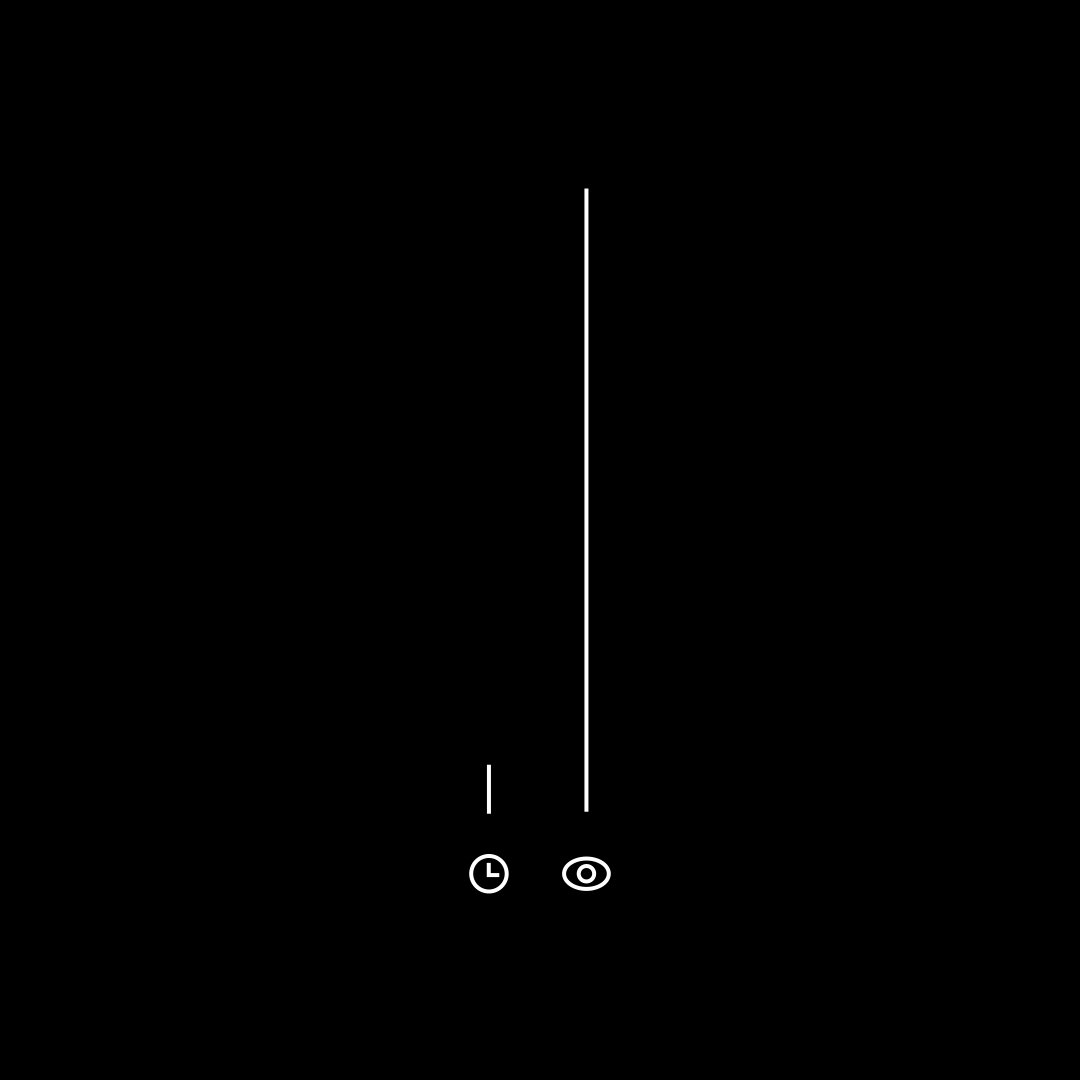
This is why simple solutions command premium prices. You're not paying for the output - you're paying for the complexity absorbed in creating it. The consultant who gives you one clear recommendation considered hundreds of variables. The designer who creates your logo explored countless variations.
When someone asks you to "make it simple," they're asking you to do the hard work. They want the answer, not the analysis. The solution, not the process. The magic, not the mechanics.
Every simple product is a complex system in disguise. Every clear explanation required muddled thinking to reach clarity. Every elegant solution emerged from messy iterations.
The irony is perfect. To give others simplicity, you must embrace complexity. To make things easy for them, you make them hard for yourself.
Most people want to consume simplicity, not create it. They want the clean interface, not the messy code. The clear answer, not the difficult questions. The final draft, not the terrible first version.
But complexity tolerance is a competitive advantage. While others avoid messy problems, you dive in. While others demand simple tools, you build them. While others complain about confusion, you create clarity.
The people who handle complexity become valuable because they shield others from it. They absorb the chaos so the world can access the order.
Every demand for simplicity is someone volunteering to pay the complexity tax. Every request for clarity is someone agreeing to do the unclear thinking. Every call for ease is someone accepting the difficult work.
The question isn't whether you want simplicity. Everyone does. The question is whether you're willing to create it.
Make yourself clear.
You know what you're building. Nobody else does yet. The system for making it clear: 184 lessons, the tools, everything new. $99/year.
Stay in the loop.
New ideas, tools, and work. No spam.
Visuals
View All