One Event Changes Everything
By Jack Butcher
Vancouver built a World's Fair in 1986. Twenty-four years later, they hosted the Winter Olympics. Same city. Same story. Different decade.
Most people see these as separate events. They're wrong.
Expo 86 didn't just showcase Vancouver for six months. It created the infrastructure, confidence, and global reputation that made the Olympics possible. One event compounded into another.
This is how breakthroughs actually work. They look isolated but they're dominoes. Each success creates conditions for the next one.
The infrastructure Vancouver built for Expo 86 became permanent. The SkyTrain transit system. The convention center. The tourism networks. The world-class event management capability.
But infrastructure is just hardware. The real asset was software: confidence.
Before 1986, Vancouver was a regional city with potential. After Expo 86, it was a proven global destination. The city learned it could handle massive international events. The world learned Vancouver existed.
That confidence compounded for decades.
When the International Olympic Committee evaluated cities for the 2010 Winter Games, Vancouver didn't have to prove it could handle crowds, media, and logistics. It had receipts.

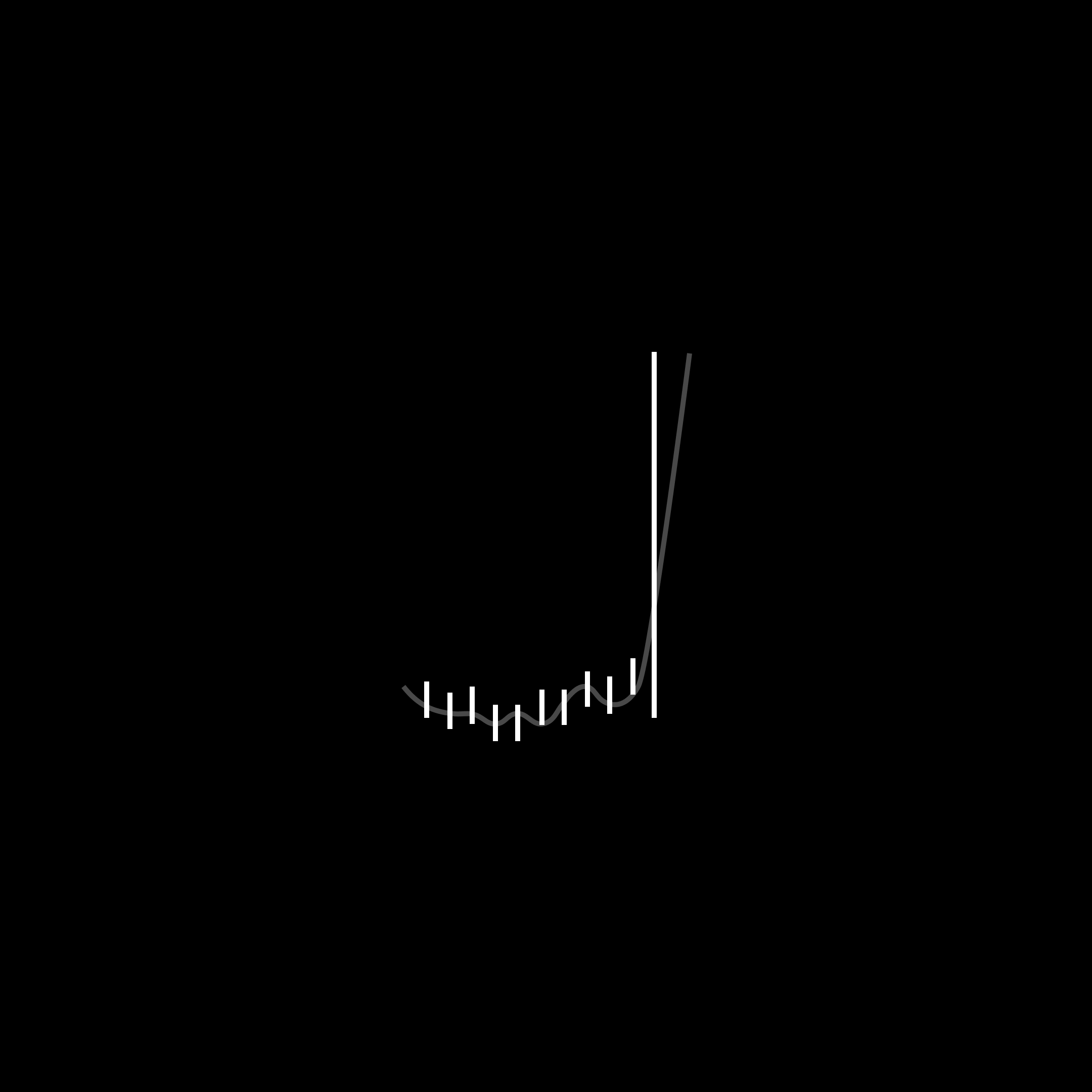
This is the hidden math of momentum. Success creates capacity. Capacity creates opportunity. Opportunity creates more success.
Most cities that bid for the Olympics fail. They lack credibility. They can't point to comparable achievements. Vancouver could point to Expo 86.
The pattern repeats everywhere. The startup that raises Series A easier because they shipped a product. The writer who gets book deals because they built an audience. The athlete who makes the national team because they dominated locally first.
Each win doesn't just solve the immediate problem. It builds the platform for bigger wins.
Vancouver understood this instinctively. They didn't treat Expo 86 as a one-time event. They treated it as an investment in their long-term competitive position.
The city kept the infrastructure. Maintained the relationships. Built on the reputation. They stayed ready for the next opportunity.
Twenty-four years is a long time between events. Most organizations would have wasted the advantage. Let the infrastructure decay. Lost the relationships. Forgotten the lessons.
Vancouver kept building.
The 2010 Winter Olympics generated $2.5 billion in economic activity. Created 45,000 jobs. Attracted millions of visitors. Established Vancouver as a permanent fixture on the global events circuit.
None of it happens without 1986.
This is how compound returns really work. Not just in finance. In cities, careers, and capabilities.
The best investments don't just pay off once. They keep paying off. They create conditions that make future investments more likely to succeed.
Most people optimize for immediate results. They see Expo 86 as expensive. See the Olympics as risky. Miss the connection entirely.
Smart money thinks different. Build once, benefit forever. Create platforms, not just events.
Vancouver built a reputation machine. Expo 86 was just the first product it shipped.
Make yourself clear.
You know what you're building. Nobody else does yet. The system for making it clear: 184 lessons, the tools, everything new. $99/year.
Stay in the loop.
New ideas, tools, and work. No spam.
Visuals
View All