Design Objects Think Forward
By Jack Butcher
The future doesn't announce itself. It arrives disguised as the past.
While everyone else broadcasts their vision into the noise, the smart play is retro-casting. Plant your ideas in objects that feel familiar. Let people discover tomorrow through things that remind them of yesterday.
Design objects are time machines. They carry forward the aesthetics people trust while smuggling in the future you want to build. A leather-bound journal suggests permanence. A brass instrument implies craftsmanship. Wood grain whispers authenticity.
Modern objects have no patina. No story. They scream "new" and "untested." People resist the unfamiliar. But wrap your vision in materials that have weathered decades, and resistance melts into acceptance.
This is why the most powerful technologies hide behind familiar interfaces. The smartphone succeeded because it looked like a tool, not a computer. Tesla made electric cars desirable by making them look fast, not efficient.
Your audience's imagination is bounded by their experience. Show them something completely foreign, and they'll dismiss it. Show them something that connects to their existing mental models, and they'll lean in.
The trick is strategic nostalgia. Choose aesthetics from eras people romanticize. Mid-century modernism. Art deco. Industrial revolution brass and leather. These periods feel substantial. Serious. Like they were built to last.
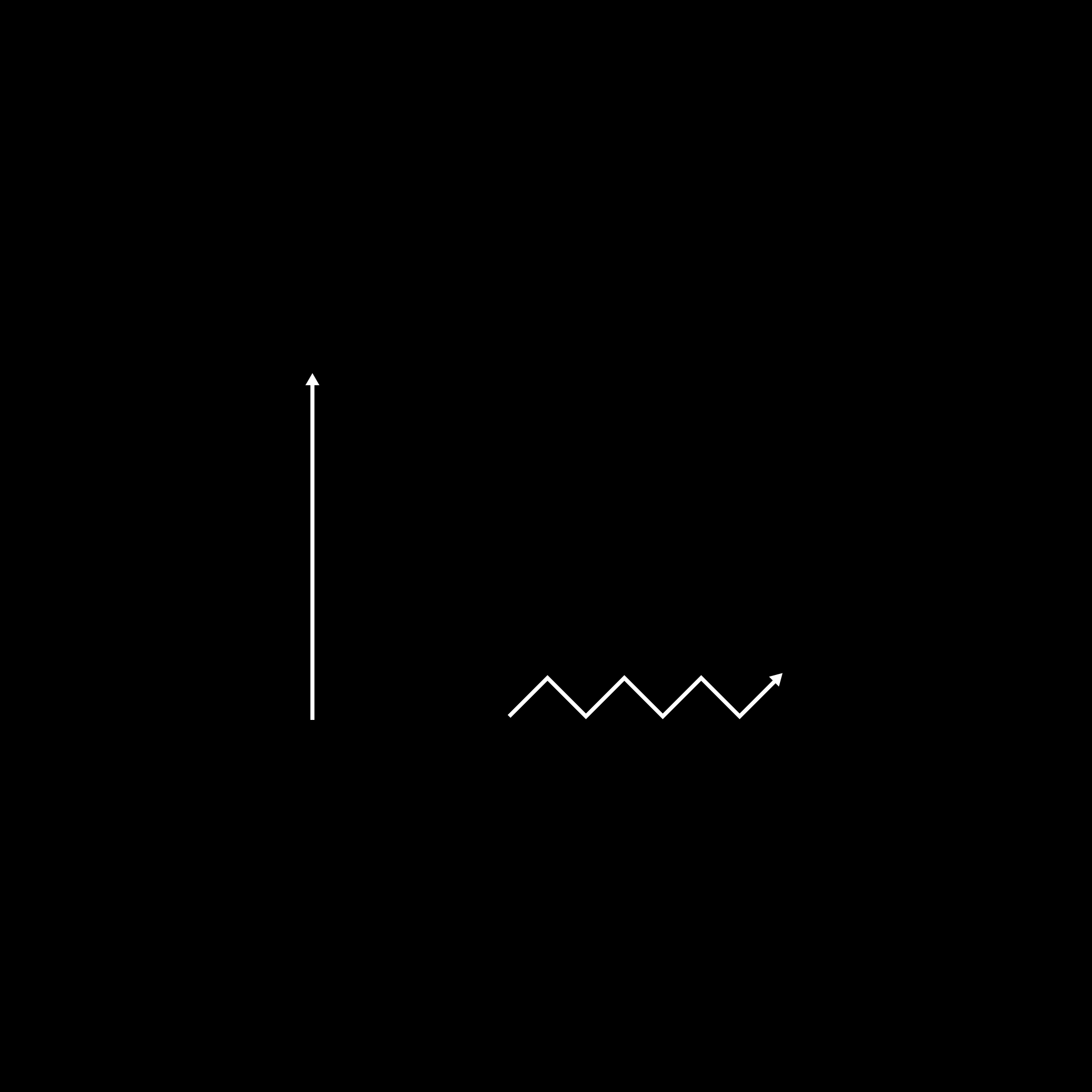
Broadcasting fights for attention in an oversaturated present. Retro-casting borrows credibility from a curated past. One feels desperate. The other feels inevitable.
The object becomes the message. A beautifully bound book suggests the ideas inside are worth preserving. A tool that feels substantial implies the work it enables matters. A device with analog controls promises reliability over convenience.
Physical objects anchor abstract ideas. They make concepts you can't touch feel real enough to trust. They bridge the gap between vision and adoption.
The most successful movements understood this. The Bauhaus embedded modernist philosophy in furniture. Apple made technology feel human through industrial design. Patagonia built an environmental movement around outdoor gear.
Your ideas need vessels. Not just words or images or presentations. Objects people can hold. Touch. Live with. Objects that whisper your vision into their daily routine until it becomes their reality.
The future belongs to whoever can make it feel like it was always supposed to happen.
How to Visualize Value
Visual communication from scratch. 34 free lessons.
Make yourself clear.
You know what you're building. Nobody else does yet. The system for making it clear: 184 lessons, the tools, everything new. $99/year.
Stay in the loop.
New ideas, tools, and work. No spam.
Visuals
View All